Lawn Care in Shortlands: Practical Tips for a Healthy, Beautiful Garden
Why lawn care in Shortlands matters

Lawn care in Shortlands is about more than keeping grass short and tidy. A well-maintained lawn improves curb appeal, creates usable outdoor space, and supports a healthier garden environment. Whether you have a small front patch, a family back garden, or a larger landscaped property, consistent lawn care in Shortlands can make a visible difference throughout the year.
Shortlands has a mix of established homes, shaded plots, and varying soil conditions, which means lawns here often need tailored attention. The local climate can bring periods of rain, dry spells, and seasonal changes that affect growth patterns, weed pressure, and soil health. Because of that, successful lawn care in Shortlands usually involves a balanced approach rather than a one-size-fits-all routine.
Another reason lawn care in Shortlands matters is that lawns are highly visible. A neat, green lawn can instantly improve the look of a property, while patchy grass, moss, or weeds can make even a well-kept home appear neglected. That is why many homeowners invest time in regular mowing, feeding, aeration, and seasonal maintenance.
Understanding the local conditions in Shortlands

Good lawn care in Shortlands starts with understanding the environment your grass is growing in. Soil type, shade, drainage, and foot traffic all influence how a lawn performs. In many gardens, compacted soil and partial shade are common challenges that can slow grass growth and encourage moss.
Shortlands properties may also have mature trees and hedges, which create lovely garden character but can reduce sunlight and compete with lawn roots for moisture and nutrients. In those cases, lawn care in Shortlands often needs a focus on improving airflow, reducing compaction, and choosing grass-friendly maintenance practices.
It is also useful to watch how water behaves after rainfall. If puddles linger or water drains slowly, the lawn may need aeration or topdressing. If the grass dries quickly in sunny areas, more frequent watering and drought-resistant care may be necessary. The key is to let the garden itself tell you what it needs.
Common lawn challenges in the area
Residents looking into lawn care in Shortlands often face a few recurring issues:
- Moss growth in shaded or damp areas
- Weeds such as dandelions, clover, and daisies
- Patchy turf caused by dog activity or heavy use
- Compacted ground from regular foot traffic
- Thinning grass in dry or heavily shaded zones
The basics of lawn care in Shortlands

The foundations of lawn care in Shortlands are simple, but consistency matters. Regular mowing, proper watering, feeding, and weed control all contribute to a thick, attractive lawn. Skipping these basics for too long can lead to slow decline, while steady attention usually keeps problems manageable.
Mowing is one of the most important routines. Cutting the lawn too short can stress the grass, especially during warmer or drier periods. A slightly higher cut often helps roots stay stronger and shades out weed growth. In lawn care in Shortlands, mowing frequency should be adjusted according to the season and the speed of growth rather than following a rigid schedule.
Watering is equally important. Deep, infrequent watering is often better than frequent light sprinkling because it encourages roots to grow deeper. This approach supports healthier grass and improves resilience during dry spells. For many gardens, early morning watering is ideal because it reduces evaporation and helps prevent fungal issues.
Key routine tasks
- Mow regularly, but avoid cutting too short
- Water deeply when the lawn needs it
- Feed with a suitable lawn fertiliser during growing periods
- Remove weeds before they spread
- Rake away leaves and debris
Seasonal lawn care in Shortlands

Lawn care in Shortlands changes with the seasons. Spring is often the time for recovery, summer for protection, autumn for repair and preparation, and winter for restraint. Working with the seasons makes lawn maintenance more effective and less stressful on the grass.
In spring, lawns usually need scarifying, feeding, and overseeding if there are bare patches. This is often the best time to revive weak grass and start building density for the year ahead. Lawn care in Shortlands during spring should focus on encouraging growth without overwhelming the turf.
Summer care is about keeping the lawn healthy through heat and dry conditions. That often means raising the mower height, watering wisely, and avoiding heavy feeding if the grass is under stress. In autumn, aeration and topdressing can improve structure before winter arrives. Winter, by contrast, is a time to minimise traffic on frozen or saturated lawns.
Seasonal checklist
- Spring: scarify, overseed, feed, and edge
- Summer: water efficiently, mow higher, and avoid stress
- Autumn: aerate, repair patches, and apply autumn feed
- Winter: reduce use and protect vulnerable areas
Improving soil health for better lawn care in Shortlands
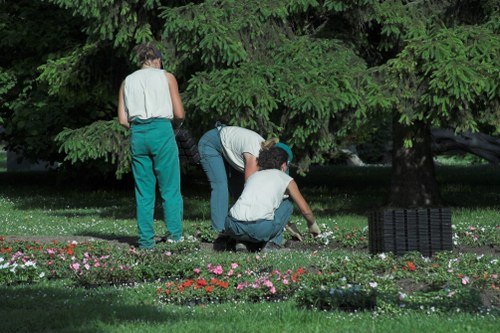
Healthy soil is the foundation of effective lawn care in Shortlands. Grass relies on soil for water, nutrients, and support, so if the soil is poor, the lawn will struggle regardless of how often it is mown. Improving soil health can transform the appearance and durability of turf over time.
One of the most useful steps is aeration. This process creates small holes in the lawn that reduce compaction and allow air, water, and nutrients to reach the roots. In gardens where the soil has become hard or tired, aeration is often one of the most beneficial treatments in lawn care in Shortlands.
Topdressing is another helpful technique. A light layer of sand, compost, or a specialist lawn mix can improve surface structure and support better drainage. When combined with overseeding, it can help thicken thin areas and create a smoother finish. These practices are especially valuable in lawns that have been affected by wear, poor drainage, or uneven growth.
Signs your soil may need attention
Watch for these common indicators:
- Water pooling after rain
- Grass that looks thin despite feeding
- Hard, compacted ground underfoot
- Frequent moss growth
- Bare or patchy areas that keep returning
Dealing with weeds, moss, and bare patches
Weed control is a major part of lawn care in Shortlands because weeds compete with grass for light, water, and nutrients. Some weeds spread quickly if left untreated, so early removal is usually the easiest and most effective solution. Hand weeding can work well for isolated weeds, while selective lawn treatments may help with larger infestations.
Moss is another common concern, especially in shaded, damp, or compacted lawns. While moss does not always mean the lawn is failing, it often signals that the grass is not thriving in current conditions. Improving sunlight, drainage, aeration, and mowing practices is often more effective in the long run than simply removing the moss itself.
Bare patches can appear for many reasons, including pet damage, disease, overuse, or seasonal stress. The best way to repair them is usually to clear the area, loosen the soil, add a suitable seed mix, and keep it lightly moist until new growth establishes. Patience is important here, because even good lawn care in Shortlands takes time to show results.
Helpful repair steps
- Remove debris and dead material from the patch
- Loosen the soil surface
- Add seed or turf repair mix
- Water gently and consistently
- Avoid heavy use until established
Mowing techniques that support strong growth
Proper mowing is at the heart of lawn care in Shortlands. It is not just about appearance; it influences how the grass grows, how dense it becomes, and how well it competes with weeds. A mower that is too low can scalp the lawn, while irregular cutting can leave the turf uneven and weak.
For most gardens, it is better to mow little and often rather than removing too much grass at once. This helps the lawn recover quickly and reduces stress. Keeping blades sharp is also important because dull blades tear grass rather than cut it cleanly, leaving ragged edges that may turn brown.
In shaded areas, slightly higher mowing heights are often better because they allow the grass to capture more light. In sunnier parts of the garden, mowing can be a little shorter, but it is still wise to avoid cutting aggressively during hot weather. Thoughtful mowing is one of the simplest ways to improve lawn care in Shortlands without adding extra expense.
Mowing best practices
- Cut regularly during active growth
- Keep mower blades sharp
- Never remove more than one-third of the grass height at once
- Adjust height according to shade and season
- Leave clippings only if they are light and finely cut
Feeding and watering your lawn correctly
Feeding is an essential part of lawn care in Shortlands because grass needs nutrients to grow dense, green, and resilient. A good fertiliser can improve colour, strengthen roots, and support recovery after stress. The best product depends on the season and the condition of the lawn, so it helps to choose a formula that matches the time of year.
Spring and summer feeds tend to support growth and colour, while autumn feeds are usually lower in nitrogen and higher in nutrients that prepare the lawn for colder weather. Overfeeding can be just as problematic as underfeeding, so it is important to follow instructions carefully and avoid applying too much.
Watering should be based on need rather than habit. New lawns, recently seeded patches, and lawns under drought stress may require more attention, while established lawns in cool, damp weather may need very little. A flexible approach is one of the hallmarks of effective lawn care in Shortlands.
Tip: if you are unsure whether your lawn needs water, check the top few centimetres of soil. If it feels dry and the grass is beginning to lose colour or springiness, it may be time to water deeply.
Creating a year-round lawn care plan in Shortlands
A year-round plan helps lawn care in Shortlands become easier and more predictable. Instead of reacting only when problems appear, you can stay ahead of seasonal changes and maintain a healthier lawn overall. Many homeowners find that a simple schedule delivers better results than sporadic treatment.
Start by identifying the lawn’s biggest weaknesses. Is it shade, drainage, weeds, or patchiness? Once you know the main issues, you can prioritise the most useful tasks each season. For example, a shaded lawn may benefit more from aeration and moss management than from heavy feeding.
Keeping notes can also help. Record when you mow, feed, scarify, or overseed, and note how the lawn responds. Over time, this makes lawn care in Shortlands more precise and efficient. A small amount of observation can prevent larger problems later on.
Simple annual plan
- January to February: avoid damage and monitor drainage
- March to May: repair, feed, and thicken the turf
- June to August: protect against heat and drought
- September to November: aerate, overseed, and prepare for winter
- December: minimise traffic and keep the lawn clear
Why professional help can make a difference
Although many homeowners enjoy maintaining their gardens, professional lawn care in Shortlands can be a smart option when problems become persistent or time is limited. A specialist can identify underlying issues such as poor drainage, pest damage, disease, nutrient deficiency, or soil compaction more quickly than trial and error alone.
Professional services may include mowing, feeding, weed control, scarifying, aeration, overseeding, and seasonal maintenance. In some cases, a tailored treatment plan can produce better results than occasional DIY efforts. This is especially useful for lawns that have struggled for years or need a full restoration.
If you value a consistently neat outdoor space but do not want to manage every detail yourself, expert lawn care in Shortlands can save time and reduce frustration. It can also help protect the long-term health of your garden, which may add value and enjoyment to your property.
Call to action: If your lawn needs expert attention, contact us today or book your service now to give your garden the care it deserves.
Final thoughts on lawn care in Shortlands
Lawn care in Shortlands is most successful when it is consistent, seasonal, and adapted to the conditions of the garden. From mowing and watering to aeration and weed control, every step contributes to a stronger and more attractive lawn. Even small improvements can make a noticeable difference over time.
The best lawns are not always the ones that receive the most attention, but the ones that receive the right attention. By observing your soil, adjusting your routine, and responding to the needs of the grass, you can build a lawn that looks good and performs well throughout the year.
Whether you manage your garden yourself or choose professional help, the right approach to lawn care in Shortlands can turn an ordinary patch of grass into a vibrant outdoor feature. With planning, patience, and regular maintenance, a healthier lawn is absolutely achievable.

